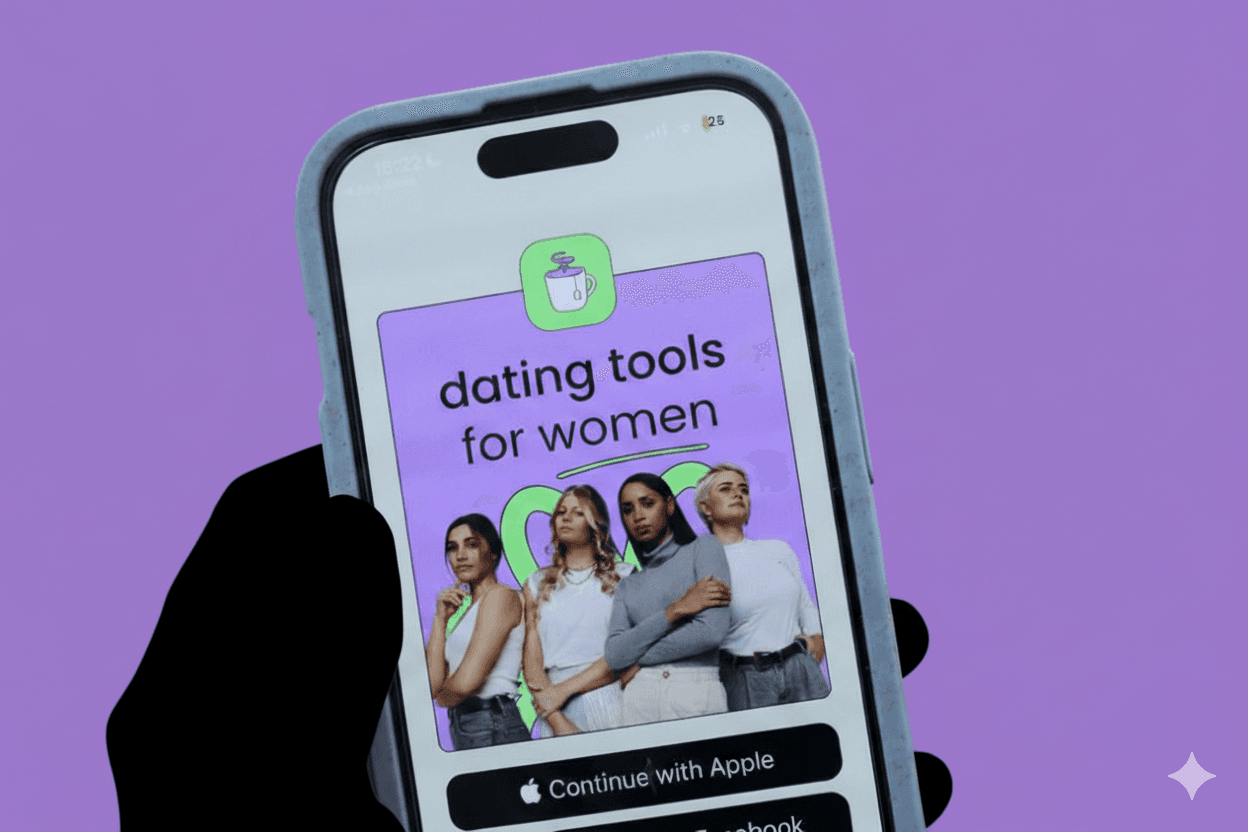
Behind the carefully marketed facade of 'women's safety,' the Tea app has become a digital Wild West where anything goes. From serious criminal allegations to petty complaints about penis size, here's what women are really posting about men—and why every accusation should concern you.
The July 2025 data breach provided unprecedented insight into Tea's actual content. Analysis of the leaked 1.1 million messages revealed shocking statistics about what women really post—and it's not what the app's marketing suggests.
The Reality Behind the Marketing: Data Breach Revelations
Tea's red flag system has devolved from safety warnings into a digital burn book for minor grievances
While Tea Dating Advice markets itself as a platform for 'helping women date safely', the reality inside the app tells a very different story. Investigative analysis of breached content revealed that legitimate safety concerns are buried beneath a mountain of gossip, revenge posts, and unverified accusations.
Breakdown of actual Tea app post types from data analysis:
- 43% relationship and cheating accusations (often unverified)
- 22% sexual performance and intimate details (privacy violations)
- 18% minor behavioral complaints (normal dating friction)
- 12% serious criminal allegations (unverified safety claims)
- 5% positive 'green flag' reviews (rare positive content)
Shocking discovery: Less than 8% of posts involved genuine safety concerns like violence or criminal behavior. The vast majority were personal grievances elevated to public shaming.
Concerned about what might be posted about you? Our professional search service can tell you definitively what content exists about you on Tea app, with comprehensive documentation delivered within 24 hours.
Category 1: Serious Criminal and Safety Allegations
The most serious posts on Tea involve allegations of sexual assault and rape (often unverified), domestic violence and physical abuse, stalking and harassment behaviors, and non-consensual recording of intimate moments. One user wrote in an App Store review: 'I discovered over 20 red flags, including serious allegations like assault and recording women without their consent.'
Posts frequently include allegations about drug dealing and substance abuse, theft and financial crimes, restraining orders from previous partners, and jail time and criminal records. The problem: Users can make these claims without providing any evidence, and men have no way to dispute false accusations.
Category 2: Relationship and Character Accusations (43% of Posts)
The largest category involves cheating allegations including 'Serial cheater with multiple girlfriends,' 'Married but using dating apps,' and 'Has a whole girlfriend he's hiding.' As documented in real posts: 'Have you dated my HUSBAND? Seriously. We are NOT in an OPEN relationship.' Another accused a man of 'having a whole girlfriend' while maintaining 'a secret Instagram account where he follows numerous OnlyFans models.'
Users frequently post about love bombing followed by sudden withdrawal, gaslighting and emotional abuse, narcissistic behavior patterns, and manipulation tactics in relationships.
If you discover false relationship accusations about you on Tea app, don't wait. Our $299 DMCA takedown service handles all legal documentation and platform procedures to remove defamatory content.
Category 3: Sexual and Intimate Details (22% of Posts)
Perhaps most disturbing, Tea users regularly share intimate details that should remain private. Real posts documented by journalists include penis size complaints and detailed descriptions, sexual performance critiques, body odor and hygiene complaints, and bedroom behavior that women found unsatisfactory.
Users share sensitive medical information including STD status and accusations, mental health conditions, addiction problems, and prescription medications men are taking. Legal experts warn these posts could constitute serious privacy violations and potential grounds for defamation lawsuits.
Category 4: Financial and Lifestyle Complaints
Tea has become a platform for financial complaints including 'He's broke and can't afford dates,' 'Lives with his parents at 30,' 'Drives an old car,' and 'Works minimum wage jobs.' Posts criticize men for political opinions and voting choices, career paths deemed unsuitable, social media activity and online behavior, and friend groups and family relationships.
Category 5: Petty Revenge and Minor Grievances (18% of Posts)
The most concerning category involves minor dating disappointments elevated to public shame. Normal dating behaviors labeled as 'red flags' include taking time to respond to texts (labeled as 'ghosting'), not planning elaborate first dates ('low effort'), splitting dinner bills ('cheap and selfish'), and ending relationships when incompatible ('commitment issues').
Users often post when men don't want exclusive relationships after casual dating, choose other women over them, end things after a few dates, or don't meet emotional expectations quickly enough. As one expert noted: 'A lot of people get their feelings hurt while dating and want to try to regain control of the situation by talking shit.'
Even minor posts can have devastating career and personal consequences. Our monitoring service helps you discover and address content before it spreads beyond the platform.
The Verification Problem: No Fact-Checking, No Accountability
Unlike professional background check services, Tea has no verification system for user claims. This means anyone can post anything about anyone, no proof required for serious accusations, false allegations carry the same weight as legitimate warnings, and hearsay and rumors are presented as fact.
Tea's anonymity feature creates perfect conditions for abuse: no accountability for false posts, no consequences for defamatory content, no way to trace malicious users, and no opportunity for men to defend themselves.
Why Every Post Should Concern Men
Even seemingly minor posts can have devastating consequences through the cascade effect: professional impact as employers increasingly check social media and gossip platforms during hiring, dating pool reduction as other women see posts and avoid contact entirely, social circle damage as friends and family discover accusations through mutual connections, and mental health consequences as anonymous public shaming leads to depression and anxiety.
Unlike traditional gossip that fades with time, Tea posts create permanent digital records: screenshots circulate beyond the platform, search engines may index content during data breaches, professional reputation can be damaged permanently, and future relationships are affected by old accusations.
The Most Dangerous Aspect: False vs. Real Accusations
The most dangerous aspect: readers cannot tell the difference between legitimate safety warnings about genuinely dangerous men, revenge posts from bitter ex-girlfriends, mistaken identity cases involving men with similar names, and completely fabricated stories created for entertainment.
Legal Implications: When Posts Become Defamation
Legal experts identify five elements that make Tea posts legally actionable: false statements of fact (not opinions), published to third parties (Tea's user base), clear identification of the target, reputational harm, and negligent or malicious intent.
Multiple lawsuits are already underway: class action suits against Tea for facilitating defamation, individual defamation cases against anonymous posters, privacy violation claims for sharing intimate details, and criminal charges in cases involving harassment.
Don't become a legal statistic. Our expert team can help you understand your options if you've been falsely accused on Tea app.
The Trust Destruction and Dating Impact
Tea has created a culture where: women assume the worst about men's behavior, men fear dating anyone who might post about them, anonymous accusations carry more weight than personal character, and gossip networks replace actual relationship communication.
Dating coach Anwar White warns: 'If women are going to an app to understand the real deal about men, then we are in an even greater dating depression than we may think.'
The Statistical Reality: No Man Is Safe
With over 4.6 million users and growing exponentially, Tea represents a fundamental shift in dating dynamics: 1 in 30 adult women in America can now post about you anonymously, metropolitan areas see much higher user concentrations, college towns and major cities show the highest activity levels, and professional men are disproportionately targeted due to higher visibility.
Traditional dating advice is obsolete when facing anonymous platforms: being a 'good guy' doesn't prevent revenge posts, short-term dating can still result in permanent reputation damage, ending relationships respectfully may still trigger vindictive posts, and even declined first dates can lead to negative reviews.
Taking Control: Professional Protection Services
The harsh reality: In the age of anonymous accusation platforms, every man is potentially one bad date away from public humiliation. The question isn't whether Tea posts are fair or accurate—it's whether you'll discover them before they destroy your reputation, career, or relationships.
Tea has weaponized dating disappointment, turning normal relationship friction into permanent digital scarlet letters. Understanding what women actually post is the first step in protecting yourself from a platform that has transformed minor grievances into major reputational threats.
Immediate Protection Steps
Don't wait to become a victim of anonymous accusations. Our expert team at CheckTeaApp provides comprehensive protection services:
Professional Search Service ($97.99): A confidential manual review with available screenshots or links for matching content found, targeted for delivery within 24 hours.
Content Removal Service ($299): Full DMCA takedown process with legal documentation, platform communication, and follow-up to remove defamatory or privacy-violating content. For expert post takedown assistance, visit TeaAppTakedown.com.
Ongoing Monitoring: Professional reputation monitoring to catch new posts before they spread and cause irreversible damage to your career or relationships.
Legal Consultation: Expert guidance on defamation law, privacy violations, and your legal options if you've been falsely accused.
Contact CheckTeaApp today for a confidential consultation. With data showing that 91% of Tea posts are gossip rather than legitimate safety concerns, protecting your reputation is more critical than ever. Don't let anonymous accusations destroy what you've worked to build.